Secure Generator Sizing Analysis
Automatic Generators: The Dependable Answer for Steady Power Provision
Backup generators serve as a vital safeguard from electricity outages. They function seamlessly, switching on in moments following an interruption. Powered by different energy types, the generators ensure operations continue when disaster strikes. However, understanding their benefits and features is crucial to reaching the right conclusion. Which points should be addressed before acquiring this type of unit? The next segments discuss these vital considerations.
How Standby Generators Work: Their Operation
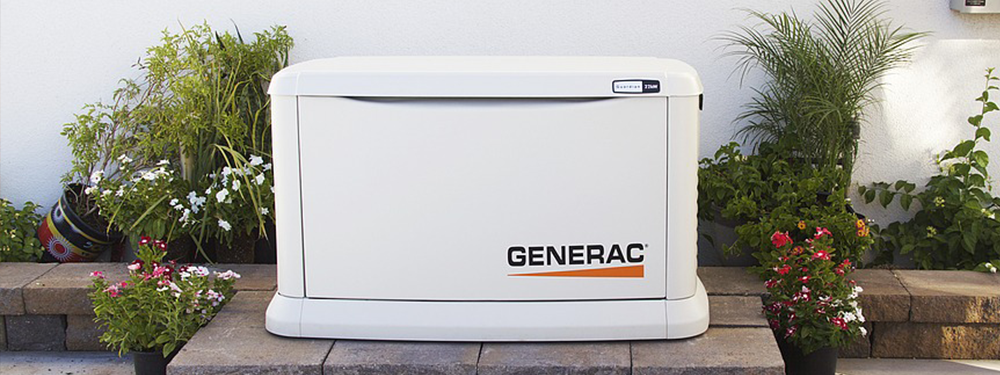
Automatic generators are vital systems which deliver instantaneous reserve energy during power losses. These units are usually placed outside the find here structure, linked to the main wiring and fueled by natural gas, propane, or diesel. Should the power fail, the system recognizes the lack of power and starts up instantly. This process involves an automatic transfer switch, which separates the building from the main supply and links it to the backup unit
(Portland Standby Generators)The system starts creating electricity, supplying power to essential circuits or the entire facility, depending on its capacity. Typically, these generators have a built-in monitoring system which ensures correct operation and maintenance. They can operate for extended periods, offering a constant energy supply until the public power returns. Understanding the mechanics behind standby generators enables users to see their importance in enhancing energy security and minimizing disruptions in the event of unforeseen blackouts
Benefits of Installing a Standby Generator
Reliability is a significant advantage when putting in a backup system, as it guarantees an uninterrupted power supply when the power fails. This essential feature assures that homes and businesses remain operational, protecting valuable assets and maintaining comfort. In addition, backup systems boost security through the avoidance of electricity loss that could lead to hazardous situations, such as frozen pipes or medical equipment failures.
Value for money is a further advantage; while the upfront cost may be substantial, the future financial benefits from preventing food waste, business interruption, and unexpected fixes can be considerable. In addition, these generators add value to the property, positioning them as an attractive feature for future homeowners.
The ease of use is also important, as they automatically activate during an outage, removing the necessity for human involvement. This smooth performance allows users to maintain their daily routines without hiccups. In conclusion, having a backup generator provides security, guaranteeing that power is always available when it matters most.
Essential Characteristics to Seek in a Standby Generator
In the process of picking a standby generator, multiple important characteristics should be considered to ensure optimal operation and appropriateness for individual requirements. First, the power output is vital; prospective owners must determine the wattage required to support essential appliances during an outage. Furthermore, the type of fuel—whether natural gas, LP, or diesel—influences operation and operational costs.
A further critical component is the automatic transfer mechanism, which enables smooth transition of power and improves security. Durability and build quality also matter; a sturdy unit can withstand harsh weather conditions.
Furthermore, noise levels should be assessed, as low-noise units are better for home environments. Some generators offer self-starting features, offering ease of use during unexpected outages. Lastly, support and coverage details need to be checked, offering trustworthy maintenance and maintenance. Through assessing these characteristics, future owners can select a standby generator that meets their unique power needs effectively.
Factors to Consider Before Purchase
Before deciding on a standby generator, prospective owners should carefully evaluate multiple critical elements to ensure they reach an informed decision. Portland Standby Generators. To start, they must assess their power needs by estimating the needed power to power essential devices during an outage. Following this, the power source is important; available types are natural gas, propane, or diesel, each possessing specific upsides and access factors
Additionally, customers need to examine the generator's transfer switch, which facilitates seamless power transfer. Installation details are crucial factors, because specific units might require a certified installation or acquiring a permit
The warranty and support options deserve close attention, since they significantly affect long-term satisfaction. To conclude, those considering a purchase must check the level of noise produced, especially if they live in populated neighborhoods. By examining these factors, buyers are able to choose the right generator that perfectly suits their particular requirements and desires
How to Maintain Your Standby Generator
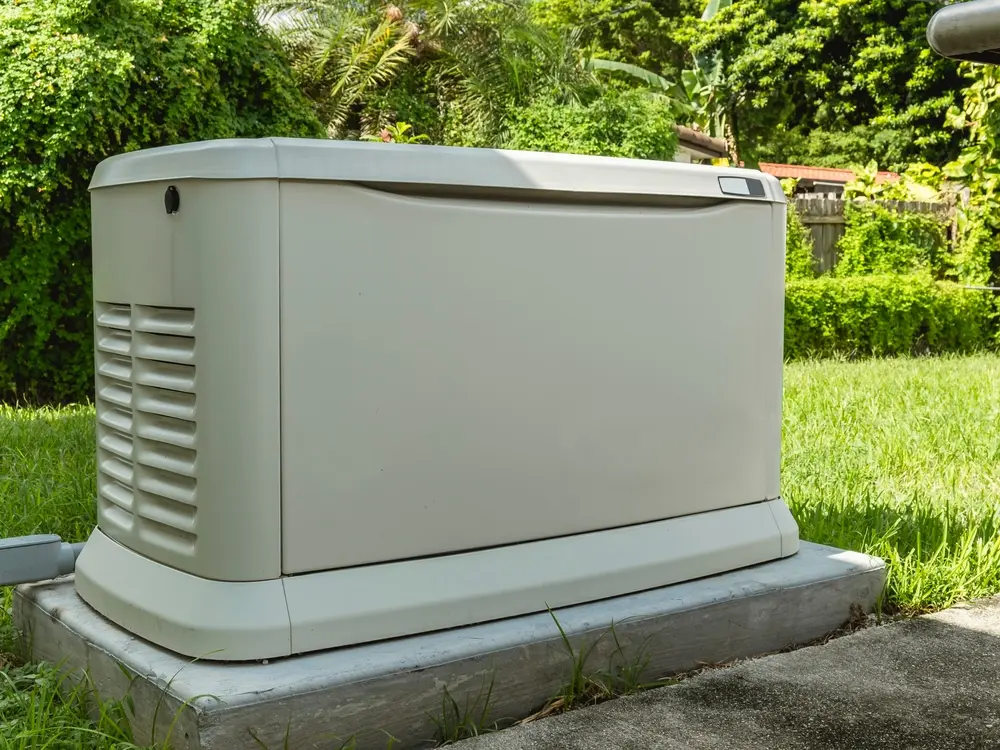
Consistent upkeep is vital to ensure optimal functioning and extending the life of the unit. Start by examining the generator's oil levels, and swap out the oil and filter as recommended by the maker. Inspect the air filter often and change it when needed to guarantee optimal airflow. It is crucial to check the battery cleaning corrosion from the terminals to ensure it starts reliably.
Conduct periodic load tests to verify the generator manages the capacity it is rated for. Additionally, verify that the exhaust is clear of blockages and leaks. Keeping the generator clean and free from debris can prevent the unit from overheating and having other issues.
As a final step, schedule professional maintenance at least once a year to fix any issues that might arise and conduct thorough checks. Following these maintenance tips can maximize the longevity of a standby generator, giving you confidence when the power goes out.
Common Questions
What is the Typical Price of Standby Generators?
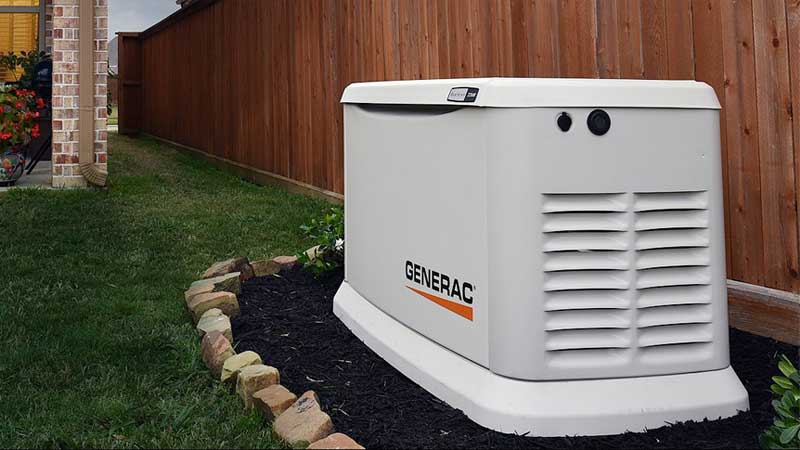
Standby generators typically cost from $2,000 to $15,000, based on elements like brand, power capacity, and how complex the installation is. Extra costs often involve maintenance, permits, and the cost of fuel tanks, influencing the overall investment required.
Am I Able to Install a Standby Generator on My Own?
Installing a standby generator oneself is possible, though it demands familiarity of electrical systems and local codes. It is highly recommended getting a contractor to ensure security, adherence to regulations, and optimal functioning of the generator installation.
Which Types of Fuel Power Standby Generators Use?
Standby generators typically use fuels such as diesel, natural gas, propane, or gasoline. Portland Standby Generators. The selection of energy source is frequently influenced by the cost, availability, and particular power requirements, affecting the operation and efficiency of the generator
Are There Any Permits Required for Installation?
Yes, permits are often required for the installation of standby generators. Rules differ depending on the area, so it is essential for homeowners or contractors to speak to the municipal government to guarantee compliance with all relevant codes and requirements.
How Long Can a Standby Generator Run Continuously?
A standby generator can run continuously for varying durations, usually between 24 and 48 hours, contingent upon the demands and the fuel source. Consistent servicing provides peak performance and longevity during extended operation periods.